Product-focused UX designer

Portfolio 2026

Arnab Mathur

I turn complex workflows into products people can use and developers can build.

Close to three years of product design across fintech, e-commerce, ERP and marketplaces. Sole designer on multiple products, from requirement analysis with clients and stakeholders to developer handoff.

See the work

Selected work (4)

Two shipped client projects and two self-initiated ones. Each shows the business problem, the calls I made and what they cost.

All case studies on Behance

01Client project · Fintech · Web app, five portals

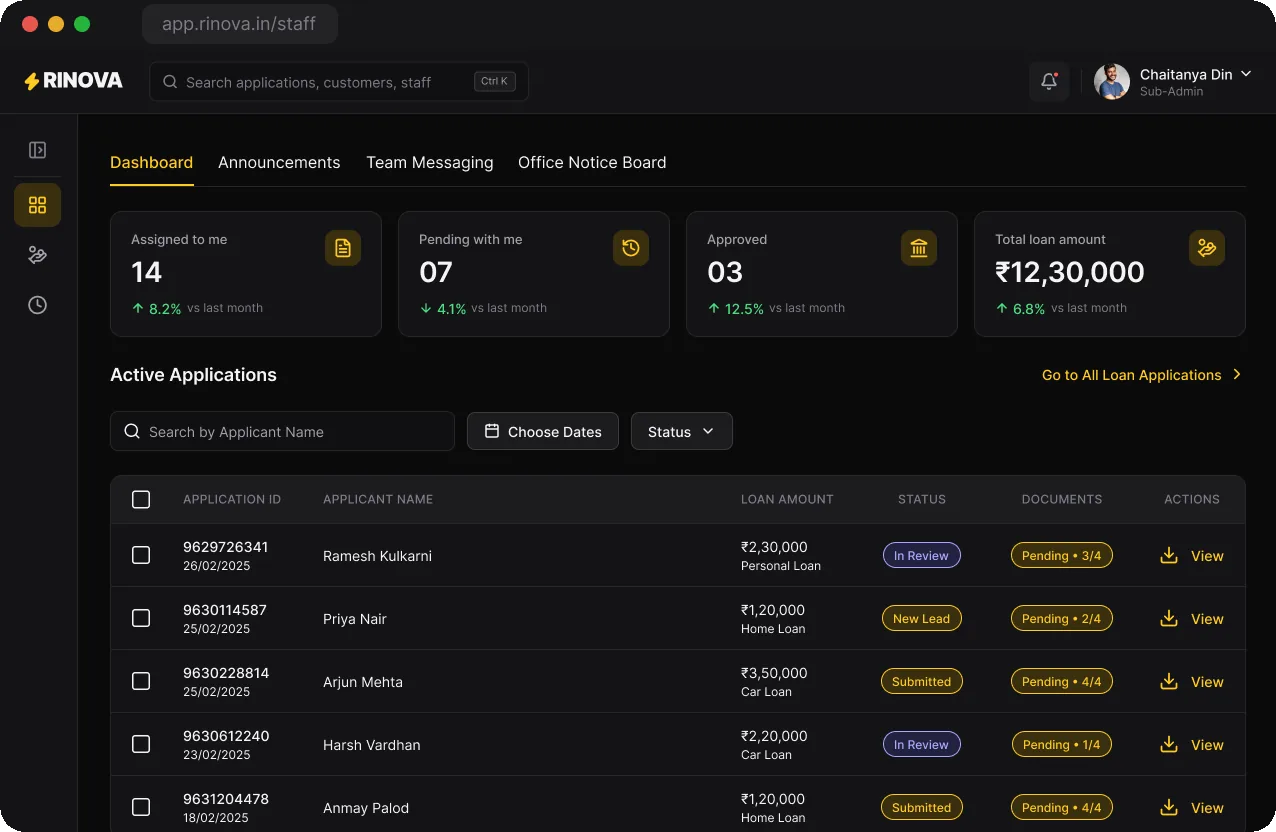
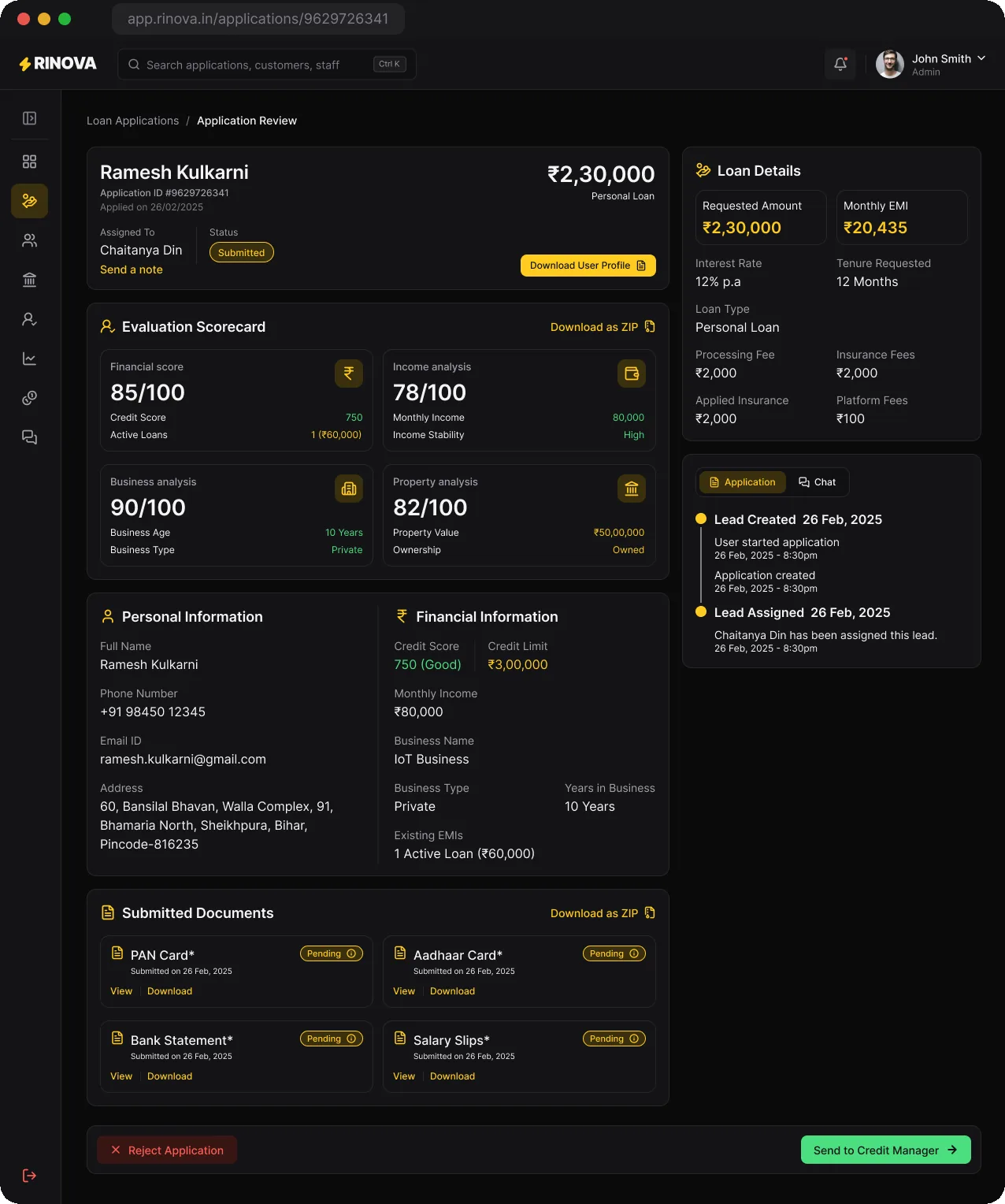
Rinova

A micro-finance lender's staff, credit managers, partner banks and affiliates work the same loan application, from lead to sanction.

The call. One review screen in twelve states, shared by every desk, instead of a tailored screen per role. A file changes hands four times and nobody re-learns it.

  • 83screens
  • 5role portals
  • 1shared loan record
Read the case study

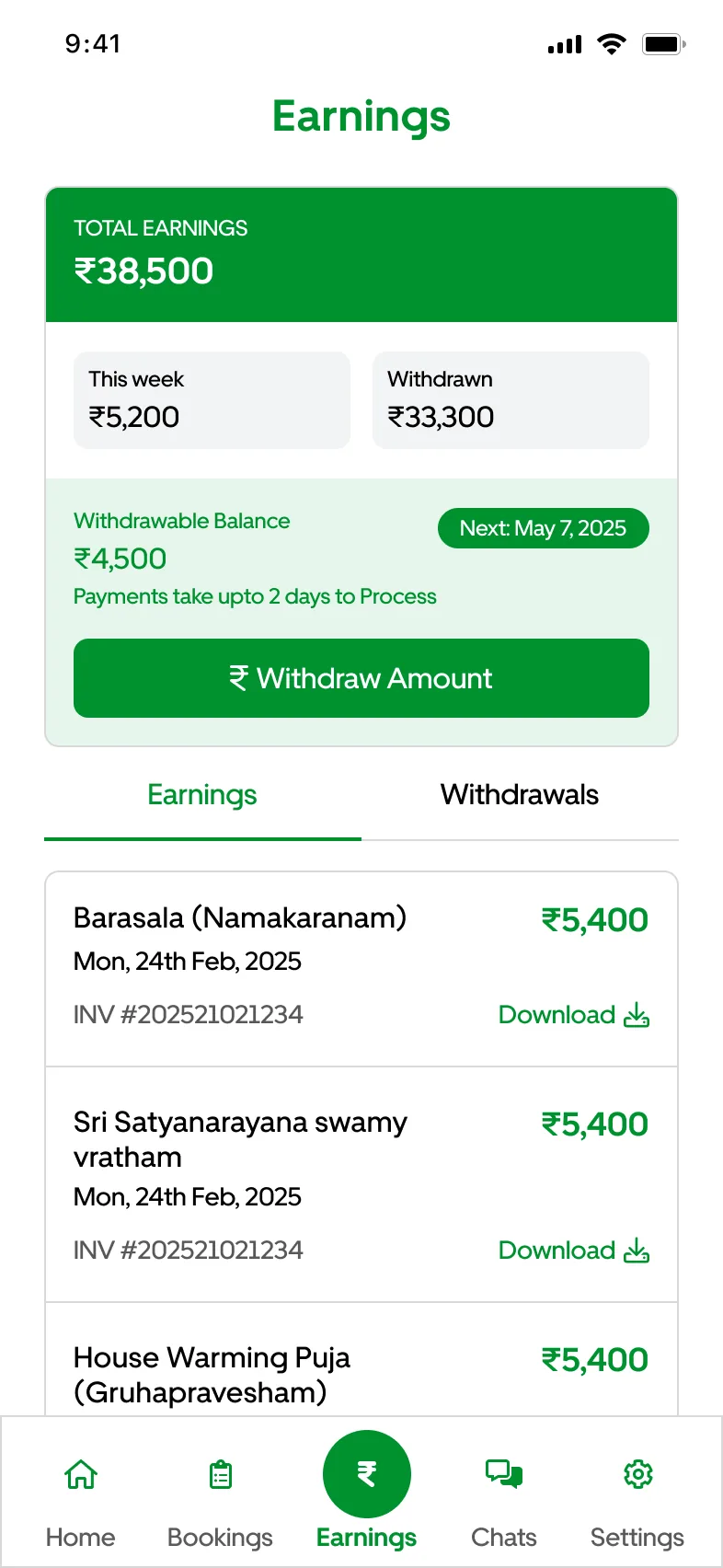
02Client project · Marketplace · Four mobile apps

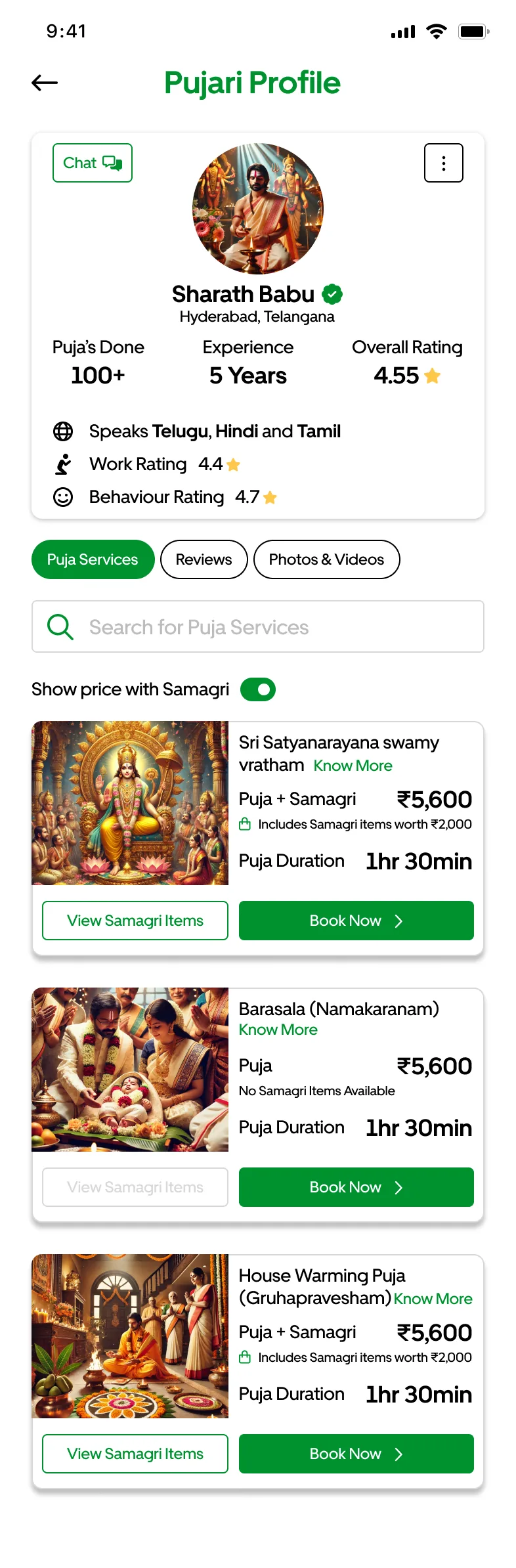
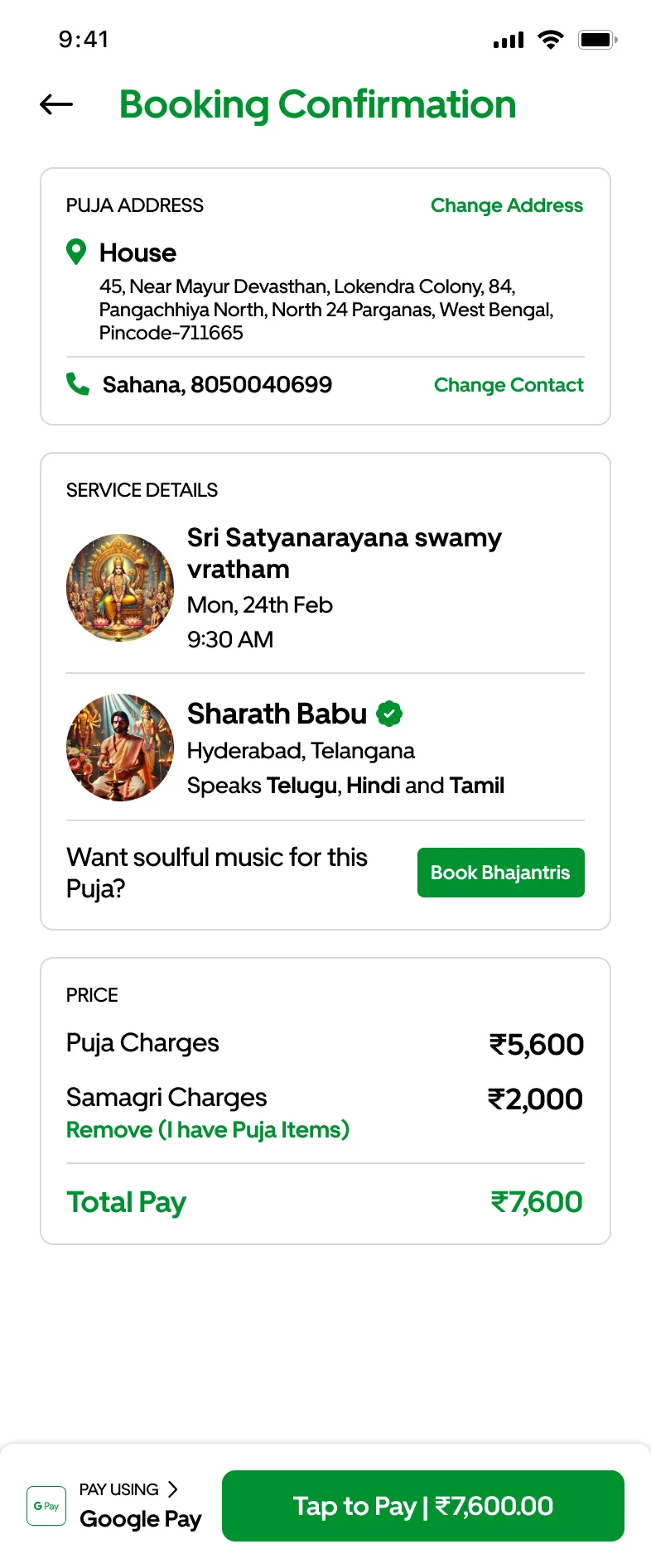
Deepam

Families in Hyderabad book a verified pujari, a bhajan band and the samagri in one place. Each provider runs their side from their own app.

The call. Pujaris, bands and stores sign up, get approved, take work and get paid in the same order. I designed that sequence once and changed only the steps where their work differs.

  • 4apps
  • 177screens
  • 4months, sole designer
Read the case study

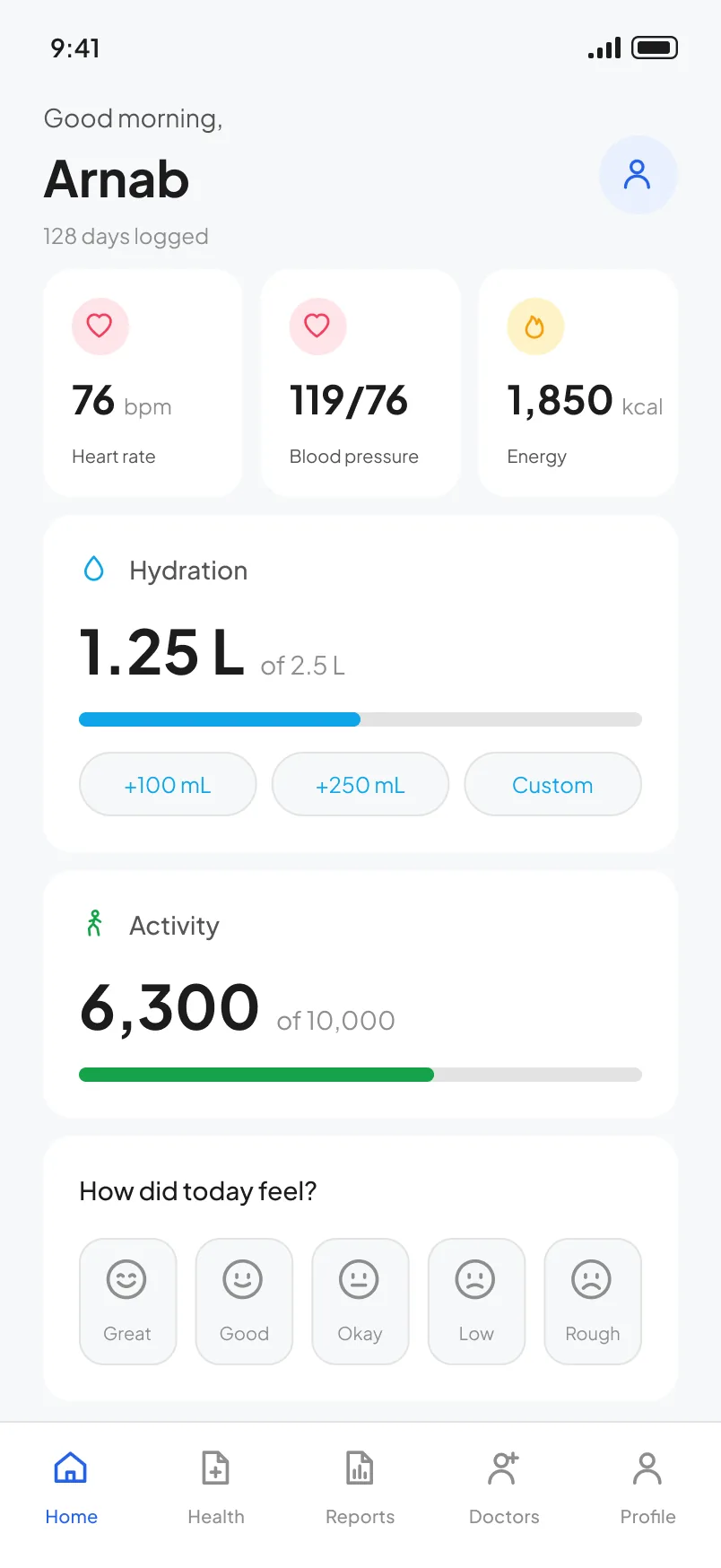
03Self-initiated · Health · Mobile app

Tracto

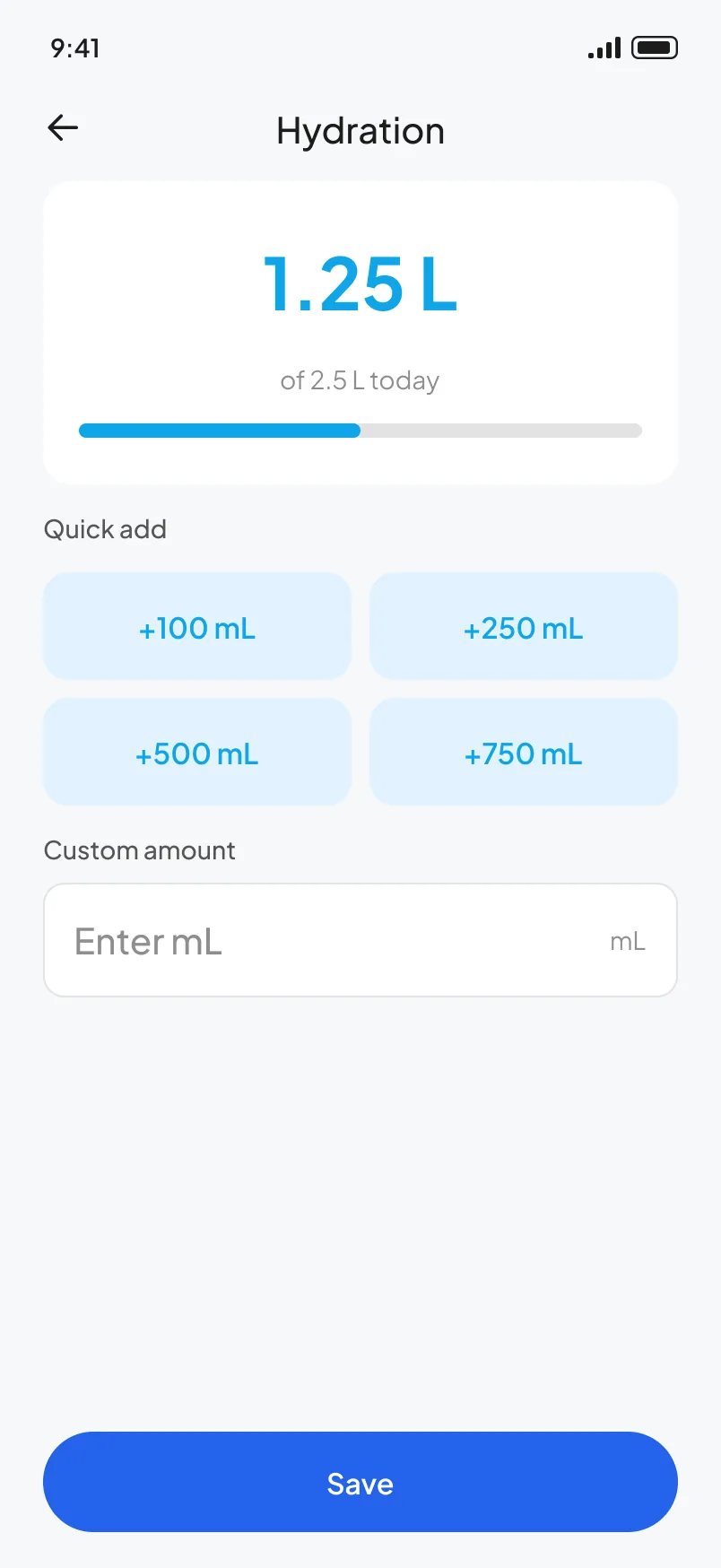
One place for the things people track: water, food, vitals and exercise, with reports worth handing to a doctor.

The call. No streaks. A missed week is when you most want the readings, so Tracto counts the days you did log, and that number only goes up.

  • 54screens
  • 6weeks
  • 5interviews and a survey
Read the case study

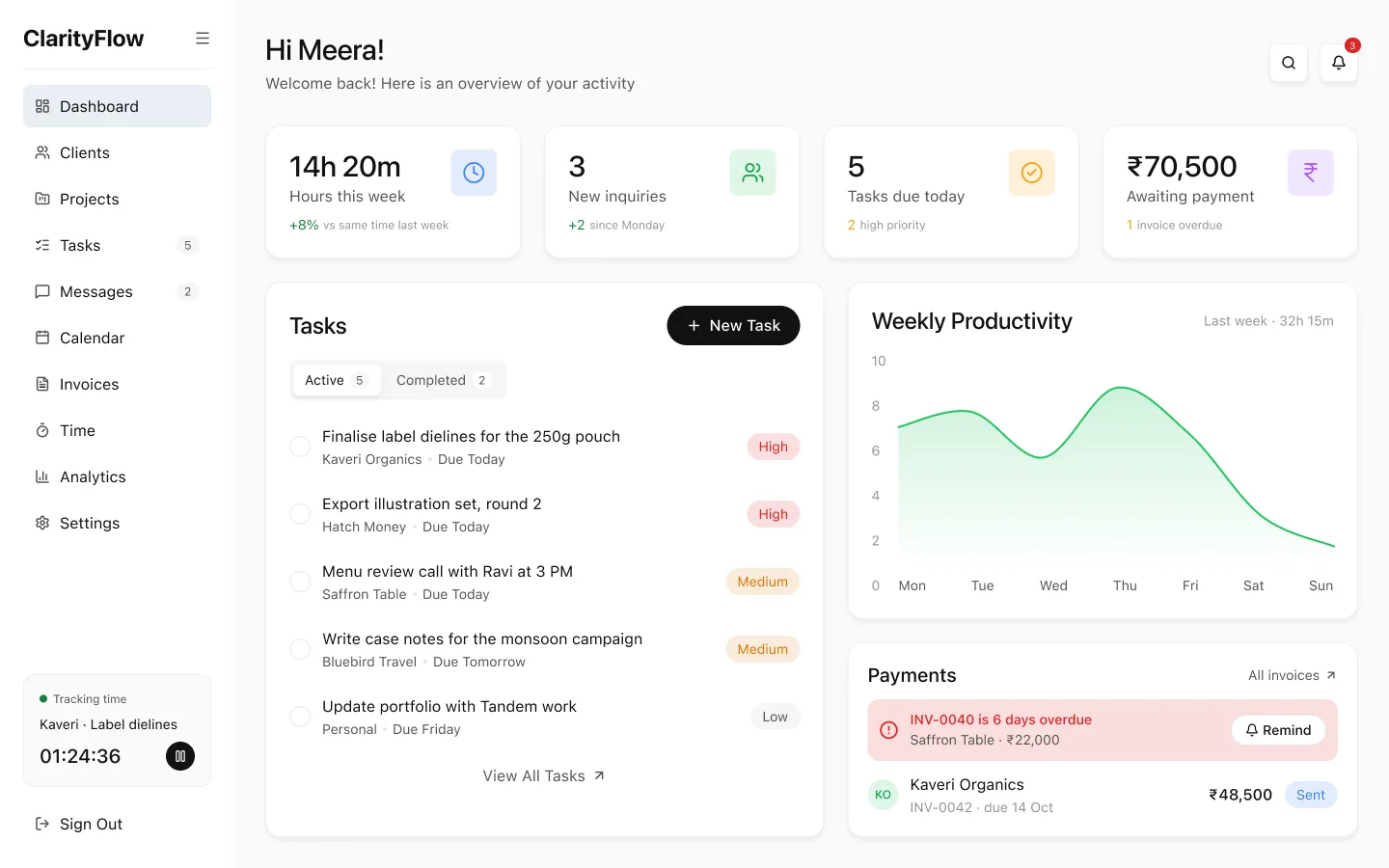
04Personal concept · SaaS · Responsive web

ClarityFlow

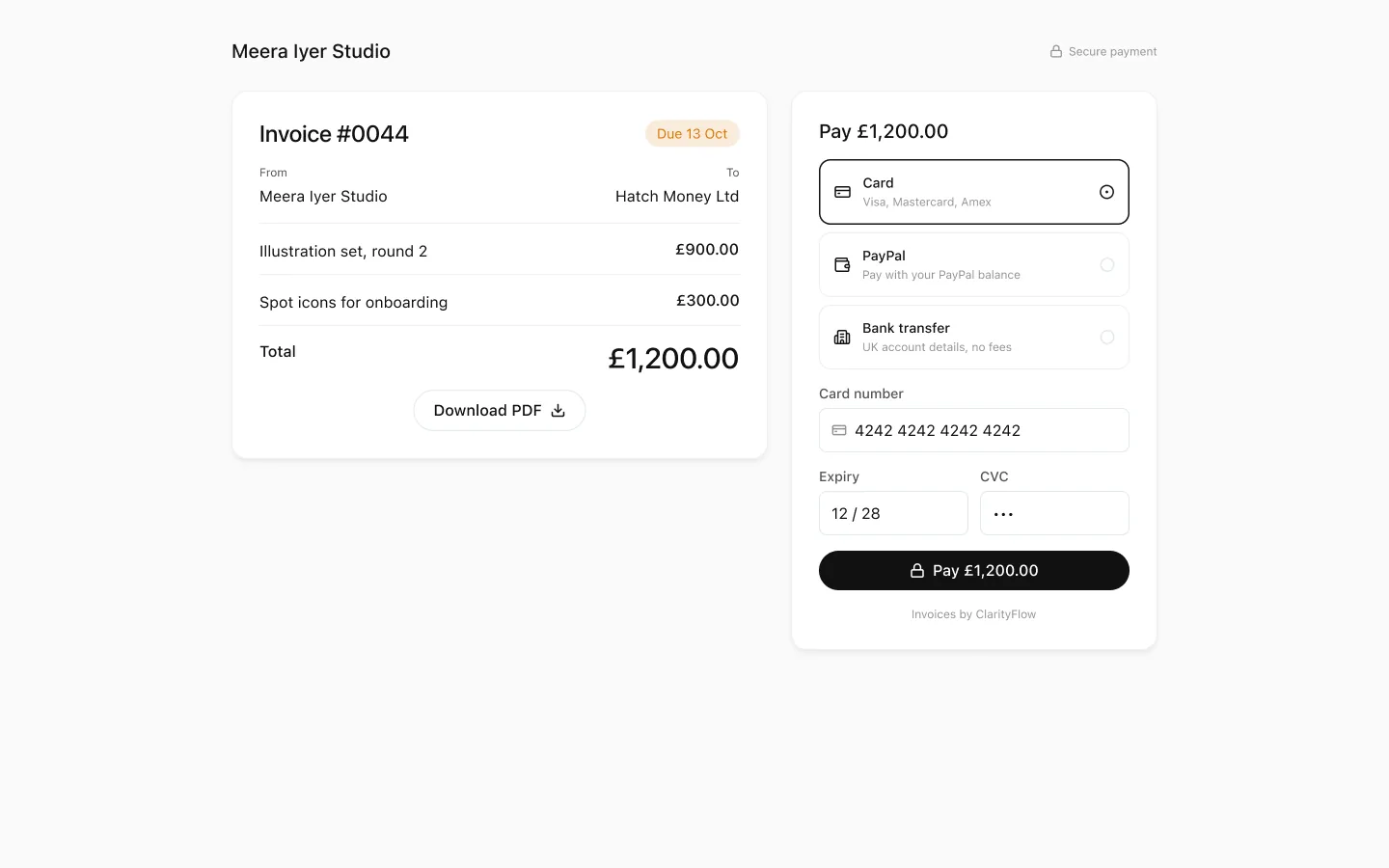
A web app for Indian freelancers that brings tasks, client conversations, invoices and time into one calm dashboard.

The call. Design the money loop first. A client's approval in the project thread becomes an invoice, with GST or LUT wording picked from the client's country.

  • 30app screens
  • 1landing page
  • 5step money loop
Read the case study

How I work

Screens are only part of the job. These six habits decide whether they ship, and each one links to where it happens in my work.

  1. 01

    Understanding the business

    I start with how the business earns

    Rinova earns on fees and insurance, pays affiliates for referrals and only earns when a loan is disbursed. Tracing one ₹2,30,000 loan showed me which of those numbers the admin needed in front of them.

    Following one loan's money →
  2. 02

    Working through ambiguity

    I write down what it won't do

    Before drawing Tracto I wrote four constraints, like no diagnosis and no data leaving the phone, so later decisions had something to fail against.

    What Tracto will not do →
  3. 03

    Explaining decisions

    Every call names its cost

    For every project I keep a record of what I chose, what it cost and why, so a reviewer can argue with the reasoning behind each screen.

    The calls that shaped Rinova →
  4. 04

    Working with engineering

    A state model before screens

    Rinova's developers built alongside the design, so every stage got one owner, a fixed list of exits and a message for the customer before its screen was final.

    What the developers built against →
  5. 05

    Using AI well

    AI checks my thinking

    I use it for research prep, sample data and a second read of my own logic. The product calls come from the brief, the people using it and the team.

    An example from Rinova →
  6. 06

    Making the team better

    Handoffs people can build from

    Named states, components with every variant and one status language across portals. At Starkin that cut design-to-dev rework by about 40%.

    Experience →

About

Mechanical engineer turned product-focused UX designer

I studied mechanical engineering at PES University and moved into design through robotics. My first UX work was operator screens for autonomous warehouse robots at Ati Motors. The habit of thinking in systems stayed: I map the states and the people before I draw anything.

Since then I've been the only designer on six-plus products in fintech, e-commerce, ERP and marketplaces, owning the full cycle: requirements with clients and product managers, wireframes, high-fidelity UI, prototypes, usability testing and annotated developer handoff.

  1. Sept 2025 to now

    Xfinity BuildconExecutive Management Trainee

    An operations role where I kept designing: mapped approval workflows with leadership and operations, redesigned the digital touchpoints and removed manual handoffs between approval stages.

  2. Feb to Aug 2025

    Starkin SolutionsUI/UX Designer

    Sole designer on client products in fintech and marketplaces, often several running at once. Specs built for implementation cut design-to-dev rework by about 40%.

  3. Aug to Nov 2023

    Surreal TechnologiesUX Associate, Newton ERP

    Redesigned workflows across 5+ K-12 cloud ERP modules, from admissions to inventory, cutting average task time by about 30%.

  4. Dec 2022 to Jun 2023

    Ati MotorsEngineer Intern, UX

    Designed operator screens for autonomous mobile robots in warehouses, validated with operators, cutting task completion time by about 25%.

Education
Executive PG Certification in UI/UX Design, IIT Roorkee (2024 to 2025)B.Tech in Mechanical Engineering, PES University (2019 to 2023)Google UX Design Professional Certificate
Practice
Requirement analysis, research, information architecture, interaction design, design systems, usability testing, accessibility (WCAG 2.1) and developer handoff.
Tools
Figma, FigJam, Framer, Figma Make, Lovable, Jitter, Claude Code and Codex. Basic HTML and CSS.

Hiring a product-focused UX designer? Let's talk.

arnabmathur@gmail.com